
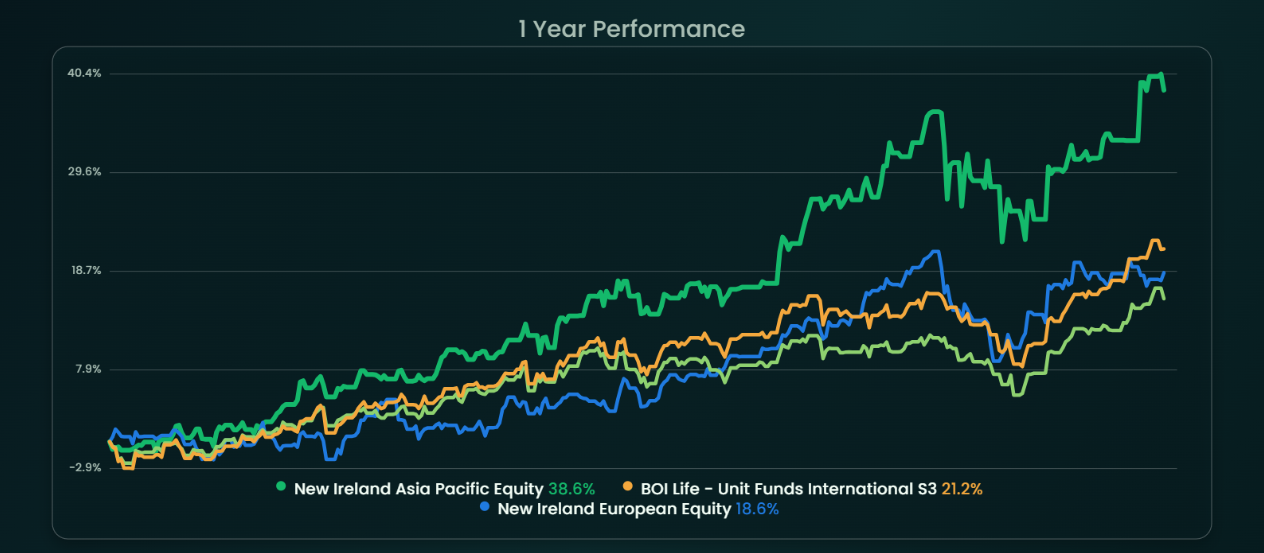
Best performing does not always mean best for you
Performance tables are useful because they show which funds have done well over a period of time. They can help you discover funds you may want to look at more closely. But they are not a recommendation by themselves.
A fund can top a performance table because it took more risk, held a concentrated position, or benefited from a market trend that may not continue. Before treating a fund as attractive, it is worth asking what caused the performance.
The time period matters too. A fund that is top over one year may not be top over five years. A fund that is steady over several periods may be more relevant for a long-term pension than a fund that has had one outstanding year.
You should also compare the fund to your own goal. Someone close to retirement may care more about stability. Someone with decades to invest may care more about long-term growth. The same top-performing fund can be suitable for one person and too risky for another.
How to use performance rankings
Use rankings as a research tool, not a decision tool.
- Check whether the strong return is short-term or consistent.
- Compare the fund's risk rating and asset mix.
- Look for concentration in one sector, region or theme.
- Ask whether the fund still fits your plan if returns cool down.